Move More, Ache Less
What is Joint Pain in Seniors?
The most common ailment that seniors often find themselves plagued by is the battle against joint pain. This discomfort that can serve as a precursor to various age-related ailments can do a great deal to degrade the quality of life. With the normal use and tear of cartilage cartilaginous tissue degenerating mucsle song/ lose- seniors face an unending opponent, joint pain~ the most picking up a spoon, turning out to be seemingly questionable chores become labourious undertakngs fit for Hercules.
Exercise: Its Role in Joint Pain Management
Ironically, the solution to this dilemma is in that motion what pain causes to avoid. Exercise is an effective antidote — it makes you feel better in the moment, but the long-term effects seem to solidify the hold — prepare you against a reoccurrence. Through consistent exercise, the elderly can oil their joints, build muscle, and restore their pleasure in motion, therefore counteracting this unending struggle against joint pain.
The Science of Joint Pain
Joint Pain in Seniors: Top Reasons Why It Occurs
In elderly people joint pain is primarily due to osteoarthritis, or rheumatoid arthritis and other chronic inflammatory diseases associated with aging. Joint issues that often develop after many years of abuse cause breakdown of the joint cartilage, swelling, and muscle wasting. These circumstances generate multi-layered wounds and paralysis embedded in the textile of aging.
How Joint Pain Is Relieved By Exercise
There is solid science behind the use of exercise as a treatment for joint pain. Exercise stimulates blood flow to the joints, which serves a dual purpose of supplying nutrients and flushing away waste while fighting inflammation. It also increases the strength of the muscles surrounding a joint, which helps to stabilize the joint and, therefore, reduce stress on the joint. The transformation of exercise into relief is the alchemy of biology that underpins joint pain in the aged.
Preparing for Exercise
Safety Tips Before Starting
Seniors safety first before exercising This means choosing appropriate exercises according to the physical capabilities, and also make the surroundings as injury proof as possible before performing. During this preparatory phase, proper clothes, enough space, and removing the risk of falling are steps that are important.
Seek Healthcare Professional Advice
This is why consulting up with healthcare professionals is unavoidable. Consulting with physicians, physiotherapists, or senior fitness specialists can help to give personalized advice on exercising based on health and body conditions. This professional guidance will serve as the basis for a safe, effective exercise program.
Warm-Up Exercises
Gentle Stretching Techniques
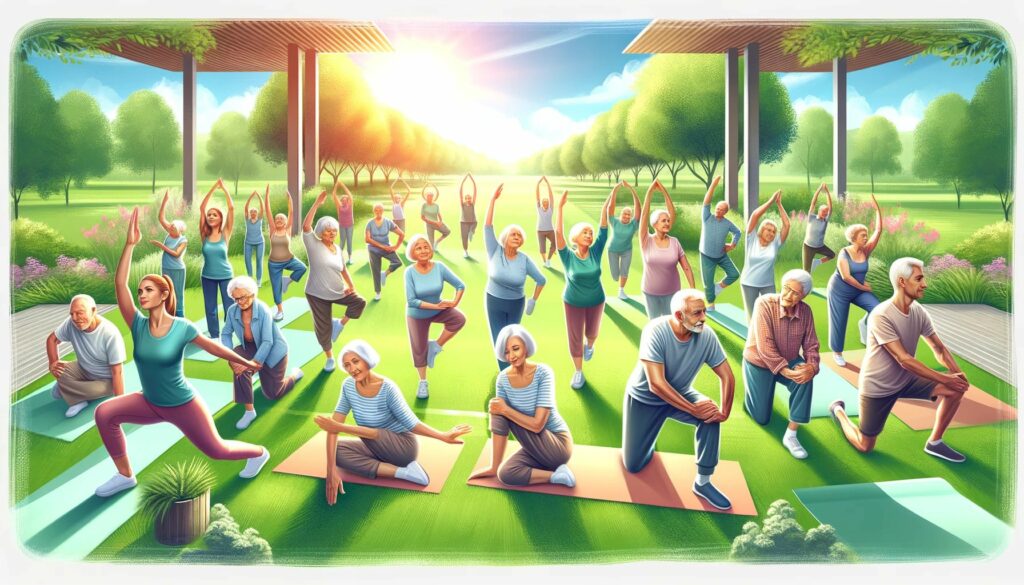
Stretching is a melody of subtle movement that primes the body for exertion. These, like toe touches or arm circles, are basic methods that slowly activate the muscle mass and joints. By starting off with this ritualistic beginning, you mitigate the chance of injury and prepare your body for a more efficient training session.
The significance of mobilizing your joints
It is like putting oil in a rusty machine so that the joints have proper lubrication and smooth movements without pain. As a result, your joints fill up with a greater amount of synovial fluid, improving their range of motion and mobility. If your joints are stiff or sore, warming up is even more crucial for seniors before any workout.
Low-Impact Cardio Exercises
Getting Started: Just Go for a Walk
Walking stood out as a well-known and prevalent activity where most individuals can safely step out for a leisurely walk to their nearest trail as this is a potent yet low impact form of cardiovascular exercise. A harmonious dance that fortifies the cardiovascular system, lungs, & muscles while taking strain off the joints. Seniors can modify the speed and duration to match their comfort levels, which make walking a flexible and suitable exercise type.
Swimming: Easy on the Joints
Swimming — moving through water — is a buoyant refuge from joint pain. With the assistance of water, it takes away weight off the joints, so you can have a full body workout with less pain! In addition to these benefits, swimming is a great form of cardiovascular exercise for seniors as it does not carry the high impact of land based exercises.
Lifting Weights Helps Your Joints
Developing Muscle to Help Stabilize Joints
The most important thing in building muscle mass to support and protect the joints is strength training, which is a type of exercise where you use resistance. Focusing on building strength in the muscles surrounding the joints can help to place less stress on those joints, which can help with reducing joint pain and increasing overall mobility.
Key Weightlifting Precautions For Achieving Safety For Seniors
For seniors, weight lifting should concentrate on safety and slow progression. A safe strength-training program will include light weights, slow and controlled movements, and precise form. It’s about strengthening the body without putting extra strain on the joints.

Flexibility/Balance Exercises
Yoga Poses for Joint Health
Yoga is an ancient form of balance and stretching with high range of motions. These stretches, including gentle warrior poses, pigeon pose, all help the joints remain mobile and reduce stiffness.
Tai Chi —Harmony of Body and Mind
Tai Chi, a gentle form of martial art which embodies the mind-body connection. This makes use of slow, gentle movements which help to enhance our balance, coordination and the range of motion in our joints. The physical side of joint health is taken care by this meditative practice and so is the mental aspect; and the latter is a very important aspect in seniors suffering from joint pain.
Isolated Movements to be Precise for Specific Joints
Knee Strengthening Exercises
Leg lifts, hamstring curls, and wall squats focus on the muscles surrounding the knees. By strengthening these muscles, we can help stabilize the knee joint and, therefore, decreasing the chance of pain and injury.
Exercises for Healthy Hips
Hip abductions, bridges, and seated marching are great exercise for the hips. These exercises are designed to stabilize the hip muscles around the joint, with an effort towards enabling joint function.
Shoulder Mobility Workouts
Shoulder mobility stretches: Raise arms, wall push ups, shoulder rolls, typically focus on flexibility and joint strength at the shoulder level. These movements help the range of motion and pain control in the shoulders.
Organizing everyday tasks
How to Make Things We Do Everyday Helpful
Realistic solution for daily activities to manage joint pain by integrating joint friendly movements. Therapeutic exercises can involve an activity that a patient enjoys, like climbing stairs or gardening, or an everyday activity like standing up from a chair.
Joint-Friendly Household Chores
Household chores as mindfulness: If you practice mindfulness while doing household chores, the boring activities can become the most beneficial exercises. Things like sweeping, mopping, or even cooking can be modified to be more active in terms of moving the joints and thus providing chances for joint improvement.
Working Out With Pain
Recognizing Your Limits
Simple enough really, even in exercise — you should know your limits. Elderly individuals need to listen to their body and not push too far. It helps to avoid overworking and getting injured.
When to Take Breaks
This is why knowing when to implement a rest period in your workout is so important. When pain or discomfort starts to emerge, you need to stop and rest. Doing so is powerful in managing pain but also to ensure exercise remains something that is positive, not negative.
Mobility: More Advanced Exercises
Gradunkin on more difficult workouts
Once older adults have mastered the basics, they can move on to progressively more challenging exercise. This may consist of an increase in time, intensity, or difficulty of the exercises — keeping it safe and comfortable, of course!
Pilates for Seniors
Pilates is another great advanced exercise for seniors that is a system of exercises used to improve core strength, balance, flexibility and posture. Strength, stability and proper movement sequencing, makes it appropriate and helpful for someone looking to maintain or improve their joint and mobility.
Food as Exercise
Foods That Support Joint Health
A well-balanced diet filled with joint-promoting nutrients is key to joint pain management. In this topic, foods rich in omega 3 fatty acids, antioxidants, and vitamins can combat inflammation and are good for joint health.
Hydration and Exercise
Water is an important factor for many reasons, from exercise to joint health. Proper hydration allows the body to perform as it should, nutrients to be delivered where they need to go, and joints to be lubricated. Older adults need to stay hydrated before, during, and after exercise.
Technology and Exercise
A Usage of Fitness Trackers and Apps.
Mobile apps and fitness trackers can help seniors keep track of their mov8vement. They can help to track progress, goals, and reminders, ensuring your seniors stick to their exercise routine.
Exercise Programs for Seniors to Do Online
Online exercise programs specifically for seniors allow you to access these customized fitness classes from the comfort of your own home. At-home programs can offer the structure, diversity, and camaraderie that many people benefit from.
Mind-Body Connection
Meditation and Joint Health
Meditation is a mental exercise that is helpful to the physical body too, especially for the joints. Meditation decreases stress and increases relaxation, which will help ease the tightness that aggravates the pain in your joints for a more holistic approach to relieving pain.
The Psychological Advantages of a Regular Exercise Regimen
While exercising is well known to be beneficial to physical health, it also exists with mental welfare. Exercise releases endorphins that elevate mood, reduce anxiety and generally create a happier state of mind, and ultimately lays the groundwork for continued exercise.
Two seniors who won their battle against joint pain
Inspirational Accounts
Success stories of seniors who have benefited from overcoming joint pain with exercise are very motivating. They share actionable advice and inspire others who are on similar journeys to persevere.
What We Can Learn from Them
These narratives highlight the significance of persistence, flexibility, and the strength of an optimistic outlook. They are showcasing the strength of exercise in reducing joint pain and are showing us that age is just a number when it comes to living well.
Common Mistakes to Avoid
Overexertion Risks
Among the hazards of employing exercise for treating your joint pain is doing it wrong by overdoing it. What seniors cannot afford to do is to push too hard, or so fast that they end up injuring themselves or aggravating a condition they already have.
Developing a Sustainable Exercise Program
The most effective way to manage joint pain is to create an exercise routine that is sustainable, for the long term.
Setting Realistic Goals
Chipping away at smaller, achievable goals keeps the love alive and keeps you from getting burnt out or even injured.
Preparing a Well-Rounded Exercise Routine
Do remember that a balanced exercise plan comprising of exercises that include well-rounded cardio (jump squats, burpee, running, jump rope, or walking), strength (dumbbell workouts for shoulders, knees, hip flexors, core, back), and dynamic flexibility (lunges, intra-muscular lyophilized joint readjustment (LMJRA), individual exercises such as yoga or Pilates) is indispensable for well-being.
Seeking Professional Help
At times you need to consult a professional for best joint health.
When should you see a physiotherapist?
You can also ask a physiotherapist to provide a treatment plan as per the joint issues.
Other health professionals who may be of assistance
Exercise and diet is key aspect in managing the joint pain for which a joint replacement is usually needed and other health professionals, nutritionist, and a personal trainer can assist too.
Conclusion
To sum it up, seniors can benefit from managing joint pain with exercise, but should take an educated and comprehensive approach. Because of these, different kinds of exercise, healthy diet, and proper exercise will greatly aid in improving joint health and the quality of life of a person. We have a solution that can help seniors lead an active life without fear of joint pain and this is possible if you ask them politely and fight with full force.