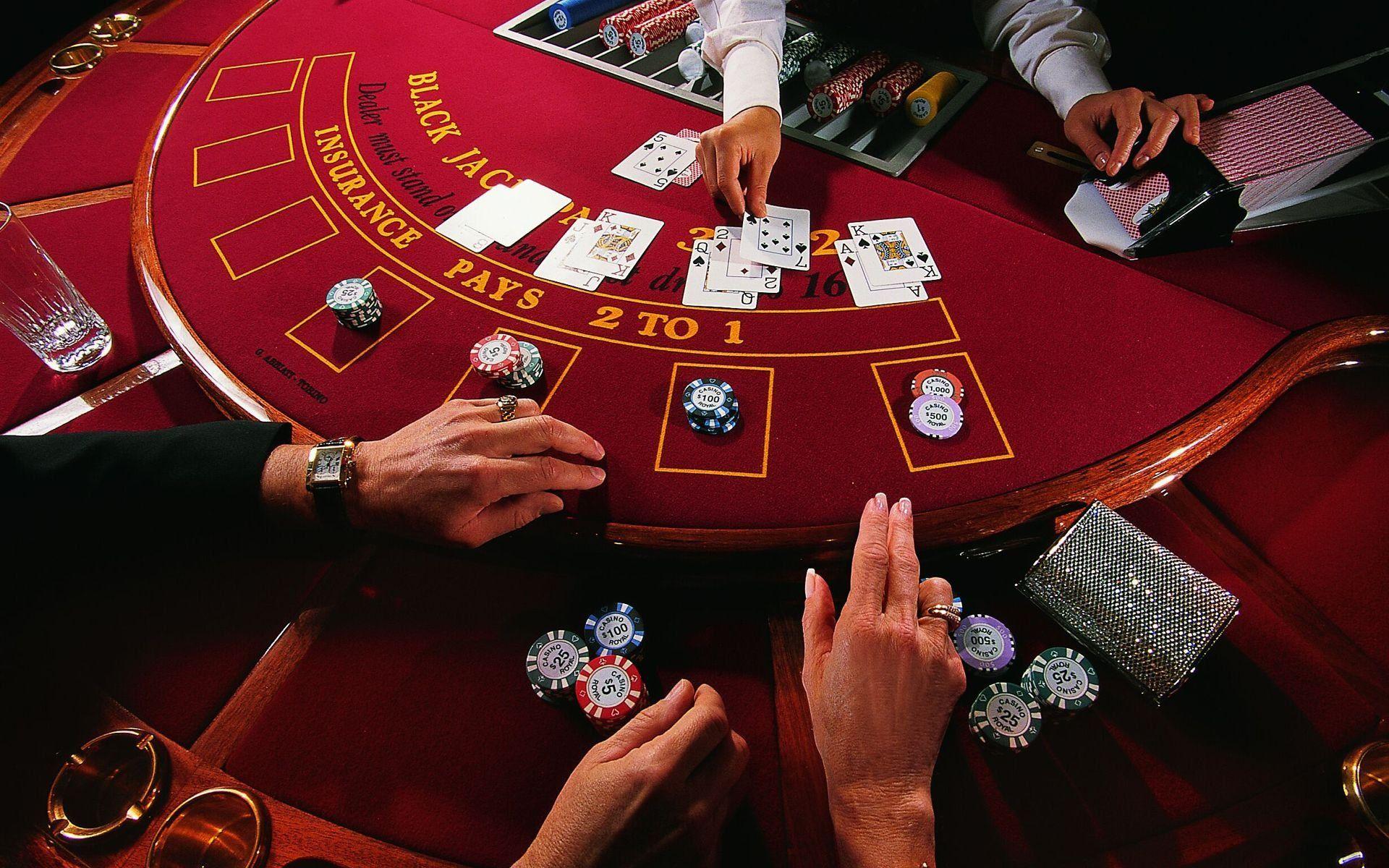
I want to start by saying something obvious, but worth repeating: skill-based casino games reward more than luck, they reward practice, pattern recognition, and decisions made under pressure. If you enjoy the mental side of games, it is the difference between watching a slot spin and playing poker, or between pressing a button and timing a precision-based minigame. This article explores how to get better at the parts you can influence, and how to do so on a modern gambling platform where registration, bonuses, and payment choices matter just as much as the hand you fold or the bet you size.
If you are shopping for a place to play, for instance, you might try a platform with a clean mobile app and fast payouts, such as Roobet, just to see how a given interface feels in real time. That first session often tells you whether a casino respects game speed and fairness, whether bonuses are easy to understand, and whether deposits and withdrawals are painless. But beyond first impressions, let us dig into the tactics that separate casual players from those who make consistent, skillful choices.
Mastering Strategy For Skill-Based Casino Games
Skill-based casino games come in many flavors, and sometimes the label is loose. Poker, blackjack with strategic elements, certain esports-style titles, and timed reaction games all sit on that spectrum. The core idea is that decisions materially affect expected value, more so than pure randomness. What that means practically is you can refine an approach and see measurable improvement, but you will need time, patience, and a willingness to analyze mistakes.
A sensible starting point is clarity: know the rules, understand where skill influences outcomes, and accept what you cannot control. Many players, oddly, skip this. They register on a new casino, dive into the flashiest game, and then complain about variance. Instead, walk the site menu, read the game rules, try free modes when available, and calibrate expectations. That foundation saves money and shortens the learning curve.
Strategy Fundamentals For Skill Games
The fundamentals are deceptively simple: practice deliberately, track results, and adapt. Deliberate practice is not just playing; it is focusing on one component at a time. In a timed reaction game you might work on start times and muscle memory. In poker you might focus a session only on pre-flop ranges. In blackjack, you might drill deviations from basic strategy when counting is not permitted. The point is to limit variables so you can attribute changes to cause and effect.
Tracking results is the part many online players avoid because it can be dull. Yet a simple spreadsheet that records session length, net result, variant played, and notable decisions will quickly show patterns. If you notice that late-night sessions consistently lose, maybe fatigue is the cause. If a particular game repeatedly returns below expectation, check for software issues, or re-evaluate whether that game truly is skill-based on the platform you use.
Adaptation is the creative part. Skill-based play is not static, the meta shifts. Players learn. Developers patch mechanics. Regulators change rules. The people who do well combine discipline with incremental innovation, trying new angles, not because they want a shortcut, but because they want an edge that is still legitimate.
Game Selection, Registration And Bonuses
Choosing the right casino and games matters as much as honing tactics. Look beyond flashy banners. The registration process tells you about identity checks and KYC friction, which in turn affects how quickly you can withdraw. A platform that forces days of verification after a win is more annoying than one that automates checks. Also, the onboarding flow reflects how much the operator wants long-term players versus quick sign-ups that vanish.
Bonuses are attractive, yes, but they come with strings. Wagering requirements and bonus terms may push you toward play styles that are suboptimal for skill development. For instance, a bonus that requires multiplied spins or bets might push you to play faster and less thoughtfully. Read the fine print, consider whether the bonus aligns with your learning goals, and treat bonuses as fuel, not as a foundation. Some sites balance this well, offering targeted freerolls or challenge ladders that actually encourage improvement, rather than blind churning.
Another often-overlooked factor is software quality. Sluggish interfaces, input lag, and buggy animations can undermine skill expression. When you test a casino, try latency-sensitive tasks. If a timed minigame responds poorly, it is not your reflexes at fault. Good operators typically have demo modes — use those. Registrations should be quick, but thorough enough that security and fairness are maintained.
Bankroll Management And Payments
The single most practical advantage a skilled player has is sustainable bankroll management. Most mistakes I see are not tactical blunders at a table, they are failing to manage the money between sessions. Decide a unit size you can afford to lose, then treat that unit like ink in a pen: conserve it for the right opportunities. This reduces tilt and preserves capital for learning.
Payments are entwined with bankroll logic. Fast deposits are one thing, but withdrawal reliability matters more. Read the platform’s payout policies. Are there limits, delays, or complicated bonus rollover traps that lock funds? Does the casino support multiple payment methods so you can choose the one with the best fees and speed? Those operational details influence how often you move money, which in turn affects your ability to practice consistently.
Another subtle point is transaction psychology. When you deposit with a credit card you might treat money differently than when you withdraw to a bank account. Some players mentally separate ‘house money’ versus ‘real money.’ That mental accounting can either help or harm your strategy. I find that using a dedicated bankroll account reduces noise; it creates clearer boundaries between play money and living expenses.
Reading Opponents And Table Dynamics
In many skill games, especially multiplayer ones, the ability to read opponents is as valuable as technical skill. Online, this includes timing tells, bet sizing patterns, and chat behavior. Yes, a lot of subtlety is lost without physical tells, but there are digital signatures to study. Some players always bluff at the same moment, others are passive during early rounds. Keep notes mentally or on the side as permitted by the platform.
Table dynamics go beyond individuals. Is the table loose, with many inexperienced players, or tight, dominated by a few strong regulars? Adjust accordingly. On many sites you can choose lobbies or arenas that match your current skill level. Use that to your advantage. In a crowded, aggressive environment, tighten up and capitalize on mistakes. In passive rooms, be more willing to extract value with marginal edges.
A tiny anecdote: once I played a lunchtime table where someone consistently overbet on draws, perhaps out of habit or impatience. I adjusted, called more often with medium-strength hands, and over the next ten rounds my win rate climbed. Not glamorous, but that’s how you convert observation into profit: small adjustments repeated.
Practice, Tools, And Training Regimens
Practice should be structured. Break sessions into small segments with goals. A session might be 90 minutes, split into focused drills, a short review, and a cool-down where you play normally. The review is where most players skimp. Use replays, hand histories, or session logs to analyze mistakes. Many casinos provide hand histories and downloadable logs — use them.
Tools can accelerate learning. Simple tracking software, odds calculators, and banktracking spreadsheets are all useful. Some players invest in advanced solvers and simulators, particularly for games like poker where game theory tools exist. That is not necessary for everyone, and honestly, it can make you over-analytical. The sweet spot is practical tools that inform adjustments without paralyzing decision-making.
When practicing on a casino with bonuses, consider separating practice and real-money sessions. Use small wagers to test new ideas, but do not expect full fidelity when incentives nudge you toward higher volume. If the platform offers a demo mode, that is often the best place for pure practice; it lets you focus on skill without the distraction of deposit or withdrawal concerns.
Responsible Play And Platform Considerations
Skill does not negate risk. Responsible play is the moral and practical backbone of sustainable strategy. Use limits, timeouts, and self-exclusion features if necessary. Platforms that offer clear responsible gambling tools tend to be better operators — they care about long-term users, not one-off revenue. Check a casino’s help section during registration so you know where to find these features before you need them.
Another platform consideration is fairness and transparency. Look for audited games, clear RNG certificates where applicable, and visible fairness statements for skill-tied mechanics. Transparency reduces the noise you have to fight through when isolating the effect of your decisions. If a game’s mechanics are opaque, you will spend more time guessing than improving.
Finally, community matters. A casino with an active forum, educational content, or tournaments can accelerate learning. Playing against better opponents in a healthy competitive environment makes you adapt faster. But be cautious of toxic communities; sometimes the social environment can encourage poor habits or reckless betting.
Putting Strategy Into Practice
When you combine all these elements, you get a roadmap. Start by selecting a reputable platform, register thoughtfully, and test the interface and games in demo or low-stake modes. Keep a simple log for sessions. Focus on one skill at a time. Use bonuses selectively. And always manage the bankroll in a way that makes losses manageable and learning continuous.
One practical framework I use is “Plan, Execute, Review.” Before a session write a one-line plan: what you will practice and how. Execute with discipline, then spend five to ten minutes reviewing decisions and outcomes. Over a month you will see patterns, and those patterns inform whether to change games, adjust bankroll sizing, or revisit registration and payment choices at other casinos. It is not rocket science but it is a process, and processes compound.
| Game | Skill Factor | Best Practice |
|---|---|---|
| Poker | High | Study ranges, track hands, use HUDs where allowed |
| Blackjack (strategy) | Medium | Learn basic strategy, manage deviations |
| Timed Reaction Games | Medium-High | Drills, sensitivity tuning, latency tests |
| Skill-Hybrid Slots | Low-Medium | Practice bonus rounds in demo, watch RTPs |
To close the loop, remember that casinos are service platforms. A great platform supports your ability to express skill: clean interface, fair rules, reasonable bonuses, and reliable payments. You can master strategy on almost any site, but if the operator complicates basic actions, the learning curve becomes steeper for reasons unrelated to skill. Choose carefully, practice deliberately, and treat each session as an experiment worth documenting.
If you take away one thing from this, it is this: be systematic. Talent helps, curiosity helps more, and consistency helps the most. You will make mistakes. I do too. The point is to notice them, not repeat them. Over time, small, honest improvements stack into significant advantage.