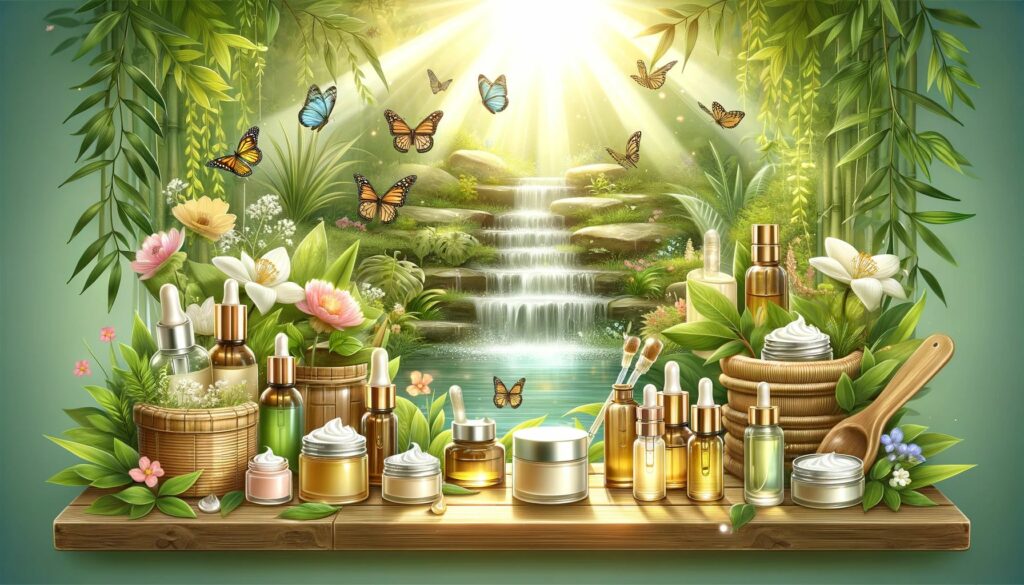
Where Beauty Meets Nature’s Bounty
And the search for glowing, healthy skin is a timeless pursuit in personal well-being. As we navigate through these times, we find solace in the nurturing arms of Mother Nature. The natural skin care movement is more than just a fad; it is a back-to-basics approach to dermatological wellness. Why natural skin care is so important and how our skin, one of the most complex and responsive organs we have, has demands of its own that need specific solutions, is where we start with this exploration.
Natural Skin Care Is The Best Skin Care
The skin is our largest organ and is often the first line of defense against the assault of environmental aggressors. It reflects our well-being, our feelings, and our life experience. Such natural skin care goes beyond beauty in this regard; it dovetails with holistic health. Using only the ingredients released by Mother Earth means we can offer the purest form of skin care — untouched and teeming with nutrients, without synthetic disturbances. The natural skin care philosophy is based on harmony with nature, so that our skin health is part of the general health of our planet.
Know your skin, know your skin requirements
The saying that speaks to the fact that each person’s skin tells a different story based on genetics, lifestyle, and environmental factors. The particulars of this are the bedrock of good skin care. It is bespoke, that what works for one skin type may not be the cure for another. So knowing what your skin need, is not just about selecting products, is about knowing the beat of your skin and reacting with thought and care.
Keep It Simple: Natural Skin Care Essentials
What Exactly Makes Skin Care “Natural”?
The term “natural” in skin care is already full of ambiguities. Basically, it means products made with natural ingredients with little processing to preserve their purity and nutritional profile. These ingredients are typically from natural sources — plant, mineral and other raw materials — free from synthetic chemicals. There are no animal byproducts in natural skin care, and a consideration is given not only to the skin, but also to the double impact of what we put on our bodies — on the body itself, and on the planet.
Importance of using natural ingredients on your skin
Natural ingredients offer numerous benefits. A veritable cornucopia of nourishment, they are often high in antioxidants, vitamins, and minerals. Natural ingredients are comparatively mild and do not trigger irritation and allergies. They synergize with the skin’s natural processes, promoting healing and restoration. Additionally, natural skin care products typically have a reduced environmental footprint, so it is a double win for your health and that of our planet.
Myths About Natural Skin Care, Debunked
Myths abound in the natural skincare discourse. There are several misconceptions surrounding natural products. This is a misconception; the environment prepares a wealth of effective tools, often more effective and less irritating than the synthetic ingredient. Wait, Is Natural Skin Care A Myth?! Another myth is that natural skin care is a luxury, accessible only to a select few. In reality, a range of powerful natural ingredients can be sourced in our daily environments, making natural beauty an accessible and inclusive solution.
Identifying Your Skin Type
Understanding Different Skin Types: Dry, Oily, Combination, and Sensitive
Skin types are as unique as the people who don them. Dry skin — or skin that lacks moisture and may frequently be flaky — longs for moisture. With its overactive sebaceous glands, oily skin needs a little balancing but not over-drying. And combination skin, which is a mix of dry and oily areas, requires a more subtle touch. Sensitive skin, reactive and thin, craves mild, nonirritating ingredients. Understanding your skin type is the first step towards crafting a skin care regimen that aligns with your skin’s unique rhythm.
10 Types of Skin: How to Identify Your Type
The next step is identifying your skin type — an exercise in observation and interpretation. It’s about paying attention to your skin’s response to different environments, products and conditions. One of the simplest approaches is what you might call the bare-faced test, in which you observe the skin’s natural state several hours after cleansing. As well, if you have any skin conditions or sensitivities, consulting with a dermatologist or other skincare professional can help, too. With this knowledge, it allows you to select the right products and ingredients that can actually feed your skin properly.
Nature’s Pharmacy for Your Skin
The Best Natural Ingredients For Your Skin
Natural pharmacy of nature provides abundant ingredients that have many benefits to the skin. Antioxidants in green tea, for instance, fight free radicals and calm inflammation. Rich in vitamins, Berries lend a healthy shine while combating aging signs. Hydrating, detoxifying (thanks to the minerals in seaweed). No two natural ingredients are the same, and each serves a specific purpose, addressing various skin types.
Soothing and Healing: Aloe Vera
The good old ‘plant of immortality’ — Aloe Vera is a one stop solution for natural skin care. Famed for its calming and restorative qualities, it soothes distressed skin, promotes healing and deeply hydrates. It can be used to treat sunburns as well as for moisturizing very dry skin, making it an all-purpose and essential component in natural skin care.
Can Tea Tree Oil fight Acne Effectively?
Tea Tree Oil is derived from the leaves of the Melaleuca alternifolia tree and is known for its powerful antiseptic qualities. It fights acne-causing bacteria, calms skin irritations, and heals. With its drying effects and oil regulating properties, it is in valued addition to natural skin care, especially with oily and acne prone skin.
Honey: The Natural Humectant
Honey, that nature-sweet nectar, is a skin superfood. It’s a natural humectant, helping to draw and hold moisture, so it’s particularly well suited for dry skin. It has antibacterial properties that are effective for treating and preventing acne. It is extremely high in antioxidants and helps in skin rejuvenation and brightening, giving healthy and youthful glow.
Skin Benefits of Lesser-Known Natural Wonders
In addition to the well-known heroes of natural skin care, there are some lesser known gems. Neem, for instance, has purifying and antibacterial qualities that are great for acne-prone skin. Linseed (flaxseed) oil: As it is rich in omega fatty acids, this nutrient-packed oil deeply nourishes and repairs. Curcuma with anti-inflammatory characteristics, brightens and evens out skin tone. Discovering these lesser-known ingredients can lead you to new ways to nourish your skin naturally.
A Creative Exploration of Diet and Skin Health
Food Which Enhance Skin Health
Diet has an archetypal role in skin health. Antioxidant-abundant foods such as berries and leafy greens combat oxidative stress, a cornerstone of aging. Omega-3 fatty acids, found in fish and nuts, help to nourish the skin and decrease inflammation for a healthy glow. Foods rich in vitamin C, like citrus fruits and bell peppers, increase collagen production, which keeps skin elastic and youthful.
How Hydration Affects Your Skin
The foundation of healthy skin is hydration. Water, the simplest and yet most fundamental element, keeps the skin soft and supple. It helps remove toxins and ensures nutrients are delivered to the skin cells. Well-hydrated skin (in texture and luminosity) makes sufficient hydration a non-negotiable part of every skin care regimen.

DIY Natural Skin Care Recipes
Homemade Face Masks For All Skin Types
If DIY is your thing, and you embrace creativity, there is so much you can make with these oils. An avocado-and-honey mask provides deep hydration for dry skin. Clay and tea tree oil mask work really well for oily skin that absorbs excess oil and unclogs pores. For combination skin: Yogurt and oatmeal mask balances and calms. Sensitive skin calms down with a cucumber and aloe vera gel mask, providing light moisturization and soothing.
Natural Exfoliants: What You Need to Know
Exfoliating scrubs help get rid of dead skin, resulting in a radiant face. When combined with oils such as coconut or olive, ingredients such as ground coffee, sugar and oatmeal makes for effective scrubs that are gentle on the skin. Natural exfoliants using ingredients like the powdered shells of grains and nuts are safe and environmentally friendly, eliminating the need for synthetic microbeads, which have a devastating effect on sea life.
Creating Your Herbal Toners
Herbal toners can be made according to those needs. For all skin types! And for its toning and soothing properties, Rosewater is the one to go. Witch hazel is a great astringent for oily and acne-prone skin. The anti-inflammatory properties of euphoric chamomile work wonders with sensitive skin. Making your tone literally gives you the most pure benefits of all these natural herbs.
This SkinCare Routine should include the Daily Natural Skin Care Routine.
How to Create Natural Skin Care Routine Day-to-Day
The daily elixir for luminous skin has been the alchemy of a solid skincare routine. Natural skin care regime governed by purest vitamin of the earth can be a far more friendly alternative for your skin health. Start with a gentle, botanically based cleanser to gently remove overnight build up without stripping skin of its natural oils. Follow with a floral water toner, a brew that balances your skin’s pH, setting the stage for the steps ahead. Hydration is the foundation for any regimen; a lightweight, natural moisturizer with plant emollients and antioxidants protects and nourishes skin. Finish your regimen out with an eye cream specifically infused with gentle, natural compounds that refresh the sensitive eye space.
Why You Should Never Skip Sun ProtectionUsing Natural Products
The sun’s rays may give life, but they can be skin’s insidious enemy. Not synthetic chemicals, but natural sun protection is essential in everyday skin care. Use sunscreen with minerals such as zinc oxide and titanium dioxide, which create a physical barrier against UVA and UVB rays. These natural formulations, sometimes boosted by botanical extracts, shield while working in harmony with your skin’s built-in physiology. In addition, they are less likely to aggravate sensitive skin or damage marine ecosystems after washing off. Remember, an annual sun routine is both a note of dedication to your skin’s health and youth.
Seasonal Skin Care Tips
How to Adjust Your Skin Care for Winter
Winter tells a story of skin transformation. As temperatures drop and the air dehydrates, your skin craves extra hydration and sustenance — switch to cream-based cleansers that protect the skin’s moisture barrier. Introduce serums with high concentrations of hyaluronic acid or glycerin, humectants that pull moisture from the air to your skin.” Moisturizers with emollients like argan or jojoba oil form a protective shield against harsh winter elements. It is important to prevent chapping of the lips with a natural beeswax balm.
Skin Care in Summer: Protection and Humidity
With its sun-drenched rays and warm winds, summer requires an adjustment to your skin-care arsenal. Heavy moisturizers give way to lighter, water-based options, allowing your skin to breathe freely. Formulas loaded with antioxidants like vitamins C and E alleviate the potential harm in the face of increased sun exposure. A sunscreen with natural mineral agents will serve as your impenetrable armor, shielding your skin from the sun’s merciless gaze. Moreover, the use of soothing products that contain aloe or are based on green tea, soothe the burning skin of occasional sunburns and feed it back to its natural health.
Addressing Common Skin Issues the Natural Way
Home Remedies for Pimples and Acne
There are many solutions available to help with acne and blemishes natural solutions the earth provides us. Tea tree oil: This oil is a fierce warrior against the acne-causing bacteria with its strong antibacterial properties. Five Gentle exfoliants like oatmeal or almond meal can un-clog the pores without causing irritation. Green clay or activated charcoal masks work for blemish-prone skin, as they draw out impurities and regulate sebum production, promoting a balanced, clear complexion.
Herbs that Help Soothe Irritated Skin
Nature’s apothecary has plenty of options for calming irritated skin. Anti-inflammatory chamomiles work as a soothing balm, targeting redness and irritation. Calendula, held in high esteem for its healing abilities, can be added to creams or ointments to repair damaged skin. To go full sensory, add infusions of lavender or rosewater, they calm the skin and pamper the mind.
Toning: Natural Skin Treatments for Youth
Nature’s bounty is an ally of the pursuit of all things youthful. Pomegranate extract — a potent antioxidant — protects the skin from free radicals that contribute to skin aging, for instance. Retinol, a derivative of vitamin A, is a popular ingredient in natural anti-aging products, prized for its ability to reduce the appearance of lines and wrinkles. Daily facial massages with natural oils, such as rosehip or evening primrose, promote circulation in the skin, but also induce collagen production, which is vital for keeping skin feeling youthful and elastic.
It’s Not Just for the Face: Natural Skin Care for the Body
Moisturizers and Natural Body Scrubs
The natural skincare journey reaches from the face to the body. Natural body scrubs, made with sea salt or sugar crystals mixed with moisturizing oils, exfoliate the skin under layers of dead cells for a smoother, more illuminated surface. After exfoliation, a good, natural moisturizer, shea butter or coconut oil-based, is key because it’s important to hydrate, replenish the skin and leave it supple and radiant.
Why It Is Important To Care For Your Hands and Feet
Hands and feet, easy to neglect, warrant focus and care. A glycerin and aloe vera formula for a hand cream gives you hydration and protection for those washing or sanitizing constantly. For the feet, a pumice stone can take care of your callouses, while a thick, emollient cream, ideally infused with peppermint or tea tree oil, provides an invigorating, healing touch.
? The Natural Skin Care Of The Future
Innovation of Natural Skin Care Products
There are innovations at this intersection of ancient wisdom and modern science. Creating revolutionary products that utilize the potential of ancient botanicals, providing unprecedented levels of efficacy with least amount of damage to our ecosystem. Biotechnology is involved, as well, with plant-based compounds engineered to replicate and enhance the skin’s natural functions.
How to Stay Up to Date on New Natural Ingredients
In order to move in this growing world, it’s all about remaining in the know. Read up and stay tuned: Subscribe to ethical beauty blogs, follow thought leaders in the natural skincare industry, and join community forums. Wellness expos or workshops, colloquially known as “conventions”, are also a way to experience cutting-edge products and learn directly from skincare authorities.
Conclusion
Taking a Wholistic View of Skin Health
Ultimately, caring for your skin with the bounty of nature is a holistic endeavor, not just an aesthetic one. It’s a holistic endeavor, threading the health of your skin with the vitality of the natural world. This way you take care of yourself and participate in the overstory of sustainability and finding your place in nature.
Nature’s Best: Your Guide to Healthier Skin
As you explore this path, take note that every action made and decision taken is a reflection of your dedication to both the health of your skin and to our planet. With nature guiding and partnering with you, a luminous, healthy complexion is both a prospect and a promise delivered.