Your Personal Hair Spa Sanctuary
Celebrating the Health Journey of Your Hair
Starting on the path to healthy hair is like being a gardener, it takes time, effort and knowing what works for your particular garden. And like an ecosystem, each strand of hair requires your consideration and reverence, as if you were a gardener tending to her blossoms. This isn’t just a journey of external beauty — it’s about creating a bond with yourself and embracing and passing tribute to your body’s natural crown.
The Joy of Home Hair Care
The ritual of home hair care has a beauty all its own. It’s a personal retreat, a window of calm in the chaos of daily life. Home hair care goes beyond just a maintenance routine; it’s a pedagogical practice, one of self-love and a celebration of everyone’s natural beauty.
Understanding Hair Damage
Why Does Hair Become Brittle?
Hair damage is a result of a complex interplay between biological factors and external aggressors. In its purest form, hair consists of a filament of proteins — mostly keratin — linked in a fragile bundle. When this matrix falls out of balance, hair becomes lacking in luster, strength, and elasticity, resulting in brittle hair. This complex science is the first part of the alchemy of hair repair.
Common Offenders: Heat, Chemicals, and Environmental Stressors
There are many enemies of healthy hair: the scorching heat of styling tools, harsh chemicals in products, and the tireless wear and tear of environmental conditions like UV rays and pollution. All these factors work together to rob hair of its natural oils and proteins, which eventually erodes its internal chemistry.
Assessing Your Hair’s Needs
DIY Hair Health Checkup
Gentlemen! It’s time for a DIY hair health checkup. It requires closely studying the texture, elasticity, and porosity of the hair. Do an honest appraisal of where your strands stand, as this is vital in bringing understanding to your hair’s individual needs — and thus choosing a customized approach to hair care.
Determine Your Hair Type and Level of Damage
The hair of each person is a tapestry of different traits — curl pattern, density, strength. Recognizing these traits and damage (split ends, dryness, breakage) is crucial to creating a personalized hair repair regimen.
The Musts for a Home Hair Spa
Setting the Mood: The Relaxing Atmosphere
Creating a space for hair care at home goes beyond the physical environment — it’s about, as much as possible, finding peace. This is where dimmed lights, calming music, and fragrant oils can come together to set the stage for your hair-care ceremony.
The Essential Tools and Products You Need for Your Hair Spa
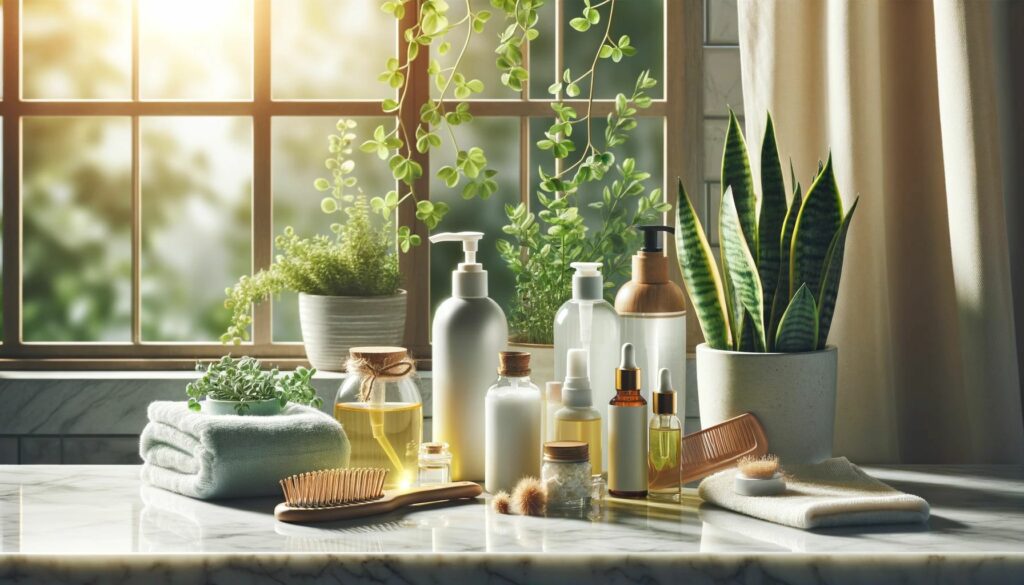
A properly stocked home spa is a treasure chest of tools and products selected for their restorative properties. From wide-toothed combs to gentle, sulfate-free shampoos, each item contributes to your hair’s rehabilitation journey.
Home Remedies for Damaged Hair
Kitchen to Hair: Do-It-Yourself Hair Masks
With its abundance of natural ingredients, the kitchen is a veritable laboratory for whipping up hair masks. Avocado, honey, and yogurt are just a few examples of household foods that are not only culinary treats but also members of a family of vitamins and minerals with proven benefits for our strands.
From Ayurvedic Practices to Natural Oils: The Power of Coconut, Olive and Argan
The oils of nature tell you the core of its healing EQ. Coconut, argan, and jojoba oils: not just mere emollients, but elixirs penetrating the hair shaft deep down, replenishing lost nutrients and restoring life to damaged tresses.
Thus, only steps to this track of hair restoration uncover it is more than a road to better hair; it is an expedition to discovering yourself and good health. Take the time for each stage of this process knowing each action you pursue brings you closer to unlocking your hairs natural, healthy brilliance.
Deep Conditioning Techniques
Checklist for Deep Conditioning
Deep conditioning is a classic go-to for hair revival, but it’s more than just a moisture fix. Start this process by choosing a luxurious deep conditioner packed with moisturizing properties such as keratin, argan oil, or shea butter. Begin by washing your hair with shampoo to remove the city filth from your locks. Then, apply your deep conditioner to damp hair, making sure to cover every single strand with the blissful stuff. For added effectiveness, wrap your hair in a warm towel, forming a cocoon that helps the conditioner penetrate more deeply. After 20-30 minutes of soaking, rinse off using lukewarm water to uncover hair that sings vitality.
Tips and Tricks to Make the Most of It
A few sage tips can help level up the deep conditioning experience. In the first place, add a wide-toothed comb into the mix when applying because you’ll distribute the product and detangle at the same time. A deep conditioning treatment once a week — or more if needed — can work wonders on the condition of your hair. You will want to build this ritual, alternating between moisture-rich and protein-based formulas, depending on your hair’s current needs. Finishing with a cool rinse can help lock in a cuticle-sealing effect—leaving hair shiny.
Gentle Cleansing for the Hair
Shampoo: What to Look For (Sulfate-Free)
Gentle hair cleansing starts with the careful choice of shampoo. These sulfate-free shampoos, which lack harsh detergents, are a gentle yet powerful alternative for cleansing. These formulas preserve the scalp’s natural oils, avoiding the dryness oftentimes caused by conventional shampoos. Seek shampoos containing botanical extracts and natural moisturizers such as aloe vera or glycerin, which cleanse but also contribute moisture.
Techniques for Washing that are Effective but Gentle
While washing, give your scalp a little massage; this helps improve blood circulation and strengthens hair roots. Don’t lather up too much, as that can remove natural oils from hair. Make sure to rinse well to remove any residue. Opt for a warm water temperature; extreme temperatures can cause angered cuticle and aggravated scalp.
Causes of Dry Hair: Why Is Your Hair So Dry?
Microdermabrasion (best done home)DIY Hydrating Sprays and Serums
Homemade hydrating concoctions can quench the thirst of dry hair. Make a DIY hydrating spray with distilled water, aloe vera juice and a few drops of your favorite essential oil — lavender and rosemary are divine. Combine argan or jojoba oil with vitamin E oil to make a powerful serum that lubricates the hair shaft, nourishing and sealing in wetness.
Striking a Balance Between Moisture and Protein
A fine line in hair care is how to manage both moisture and protein. Moisture-overloaded hair gets limp, while too much protein makes hair brittle. Add protein treatments only occasionally, monthly, along with frequent moisturizing habits. Know what your own hair needs are, and keep this balance.
Step Away From Heat to Heal Hair
When You Want To Embrace Your Natural Texture
Heat styling, while seductive, can wreak havoc on your tresses. Experiment with heat-free styling methods to embrace your natural hair texture, whether its waves, curls, or straight strands! Wear braids or twists to get natural waves overnight. Use accessories such as headbands or clips for elegant, no-fuss looks that honour the beauty of your natural hair.
Creative looks without heat damage
A World of Creativity with Heatless Styles Experiment with updos like buns or ponytails, which can be chic or whimsical. Try using soft fabric hair ties or scarves for a bohemian vibe. These styles don’t cause heat damage and give a fun twist to your look.
Fighting Frizz and Split Ends
Natural Methods for Soft and Silken Ends
Frizz and split ends, the scourge of hair voyage undertaken by many, can be dealt with natural solutions. Apply oil like coconut or almond regularly on the tips of your hair, it nourishes your hair and weighs down split ends. Aloe vera gel is good for controlling frizz and ensuring a smooth hair finish.
When Do You Split Ends, And What Are the Common Intervals?
One of the key components to healthy hair maintenance is regular trims. Having your hair trimmed every 6-8 weeks is ideal to avoid split ends, as well as maintain the health of your hair. This has the dual effect of replenishing and nourishing your hair to promote healthy growth so that your tresses are always at their freshest.
Add these to your hair care routine, and end up with the kind of hair that is a silky healthy crown worthy of all the praise it gets. And we recommend you get it to your lock and see how gorgeous your hair becomes as you use these silken secrets to pamper your locks and let your tresses shine like never before.
Scalp-Care — The Always-Overlooked Foundation of Hair Health
Home Treatments for Hair Growth, DIY Scalp Treatments
When setting off on the course of hair revival, the scalp is the sacred temple from which strong hair grows. At-home scalp treatments are like creating good soil, full of all the nutrients required for healthy hair growth. These DIY elixirs frequently combine the decadence of natural oils with the energy of herbal potions, creating a situation where hair follicles flourish.
Diet and Nutrition and Their Role in Scalp Health
The old saying you are what you eat means so much when it comes to the health of your scalp. A diet rich in vitamins, minerals and antioxidants may be key to a healthy scalp. Grains rich in omega-3 fatty acids, biotin, and vitamins A and E combined to provide a tapestry of nourishment to strengthen the hair roots, resulting in a healthy and fertile scalp.
Overnight Hair Care Secrets
Sealing In the Moisture: The Overnight Mask
Come nightfall, a rare moment presents itself to envelop your locks inside a nourishing cocoon. Overnight masks, with their thick emollients and nutrients that penetrate deeply, play well with the peace of sleep. These overnight formulas coat each individual hair in a protective layer of hydration so you can wake up to hair that’s nourished and gleaming with an otherworldly shine.
Nighttime Protective Hairstyles
Hair is susceptible to breakage from tossing and turning at night. This is where protective hairstyles come in as quiet sentinels, shielding your locks from the nighttime melee. Braids, loose buns and silk wraps protect against tangling and friction and allow the hair to lock in the nurturing effects of overnight treatments.
Sun Protection for Your Hair
DIY Hair Sunscreens
The sun may be a blazing ball of light and warmth, but it is also a hairstyle’s fiercest opponent. DIY hair sunscreens, made from natural oils such as raspberry seed oil and shea butter, create a barrier and help protect against the intense sunlight. These at-home formulas provide a shield and a shine that celebrate hair’s natural beauty.
Hats and Scarves: Practical Style
When it comes to sun protection, hats and scarves are not just fashion accessories but essential companions. These smart styling additions provide physical shields against the sun’s unforgiving rays — shielders-uppers that also enhance hairstyles and hair health. Their disparate designs and materials lend themselves nicely to a melding of function and beauty.
Special care and repair for color treated hair
Nurturing Your Colored Locks
Dye-treated hair, with its changed chemistry, will need extra care. Protein and amino acid-rich products become the elixir for those dyed strands, working to repair and preserve their brilliance. Frequent deep conditioning and color-safe shampoos mean that your colored strands are a vibrant extension of your style.
Tips on Not Fluffing Up with Dyed Hair
Avoiding common pitfalls is also part of the equation when navigating the care of color-treated hair. Harsh chemicals, overzealous heat styling and extended exposure to the sun can fade color and weaken hair. Proper care and preventive steps are essential for maintaining the health and color of treated hair.
Stress and Hair Health
What makes stress bad—and hair—just as bad?
Stress — The Silent Saboteur Stress is like a thread that weaves through the fabric of our body’s well-being. Hormonal inactivity and impaired nutrient absorption caused by stress tend to reflect in hair loss and poor hair quality. Which is why it’s important to recognize and learn how to deal with stress along the way to hair health.
De-stress with Relaxation Techniques For You and Your Hair
Relaxation techniques are a balm for mind and hair in the quest for stress reduction. Yoga, meditation and mindful breathing settles the psyche and increases blood flow to the scalp. This comprehensive perspective not only reduces stress but also creates conditions for hair to thrive in all its splendour.
Ongoing Maintenance and Sweeps
Setting a Hair Care Routine
Our guide to restoring your hair involves a step-by step approach. Hair care is a bit like gardening; it requires regular tending and nurturing. Start by choosing hair products that correspond with your hair type. Shampoos that feature natural ingredients, conditioners that claim to add hydration and serums that call out protection are necessary in this war against damage. The important part is consistency − a morning ritual or an evening routine can do magic in restoring hair health.
Tracking Your Hair’s Progress
Clubs to help youdevote time to tracking your hair process over time to see what your hair needs and what is working for your routine. This can be as simple as snapping periodic photos or having a hair diary. Observe changes in texture, sheen and volume. This type of tracking is a motivating, visual proof of what you’re doing and where you need improvement and will help make tweaks to your hair care routine for continued progress.
Avoiding Future Damage
Nevevo, always: Always follow sleeping or air-drying with some form of protectant.
Again, prevention is better than cure. To protect your hair from damage moving forward:
Incorporate practices such as reducing heat styling and skipping harsh chemical treatments.
Choose low-manipulation styles that are less likely to cause breakage, and keep in mind the use of heat protectant when styling.
Never underestimate the effect of a good diet of proteins, vitamins, and minerals — hair health begins with what you put into your body.
When to Get Professional Help
Although a home spa can work wonders, some hair problems need a professional touch. If you can’t see your way through to being less attached to these products and you notice that you’re losing too much hair, or having problems with your scalp that aren’t helped by home care, it may be time to seek out a trichologist or a dermatologist. This can help address any hair concerns you may have with a customized approach to your specific needs.
Hair Spa Day Plans
A Weekly Hair Spa Regimen in a Nutshell
Think a day for your hair a week — a ritualistic embrace of self-care. Begin with a gentle scalp massage using nourishing oils — argan or coconut, for example — and a hydrating hair mask. Cover hair with a towel to promote absorption. Finish by rinsing cool to seal the cuticles. This process not only refreshes your hair but gives you a moment of peace in your busy week.
Intensive Care Monthly Schedule
Give your hair some intensive care once a month. This may involve a protein treatment to strengthen the hair strands or a deep conditioning treatment to relieve dryness. Monthly appointments are essential to undo the damage in the past and ready your hair for the battle ahead.
Community and Support
Participating in Online Forums and Groups
It’s a long road to hair recovery, to be sure. Being part of online forums and groups can be incredibly eye-opening. These sites are goldmines of advice, experiences and support. Have a story to tell, or a question you need answered? Share with us in.”
Pass The Wisdom Of Hair Care Tips And Tricks To Fellow Caretakers
Joining a community that shares your hair care obsession provides companionship and expertise from everyone involved. Tell us about your tips and tricks, the products that worked for you and the routines that made your hair healthier. Many times, these interactions not only help others but challenge you to look at things in a different way for your own path.
Conclusion
The Journey of Your Hair Transformation
Now that you have made your way to the end of this guide, let each strand of your hair take a bow! Each of these little steps has gone into this journey from brittle and damaged to strong and lustrous. And enjoy these victories; they are the markers of your commitment and concern.
This should be your learning lesson and guide on how to care for your hair.
Finally, keep in mind that hair care is a pilgrimage. It changes with age, lifestyle changes, and environmental factors. Stay curious, continue trying new products and routines and don’t be afraid to adjust. Your hair is living, dynamic part of you – bookend it with love and affection!
Long story short, we don’t need $300 treatments to deal with hair damage; we just need to take care of ourselves regularly, make an effort to prevent hair damage, and have people to talk to. Indulge in these silken secrets, and witness the most miraculous transformation your hair will ever know, becoming a glorious crown you can don proudly and joyfully.